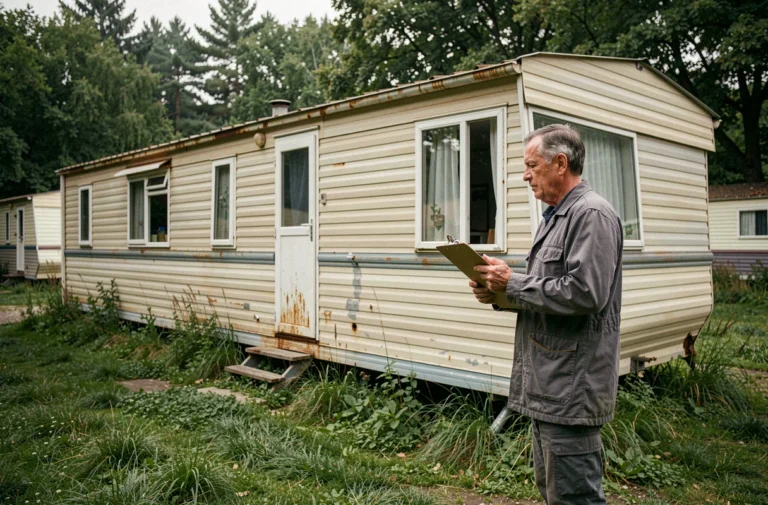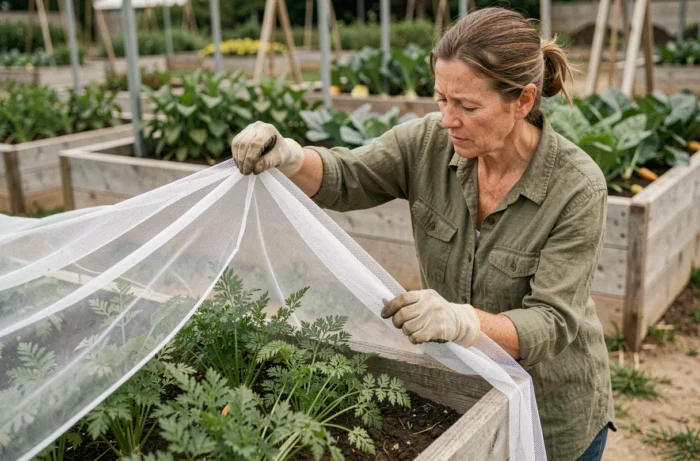
The carrot fly (Psila rosae) is a 4 to 5 mm-long fly whose larvae tunnel through the roots of plants in the Apiaceae family, including carrots, parsnips, celery and parsley. Insect netting is the most reliable physical barrier in the vegetable garden, but its effectiveness depends entirely on when it is put in place and, above all, when it is removed.
Overwintering pupae and crop rotation: the trap before the net even goes up
Covering a row of carrots with netting is pointless if carrot fly pupae have already overwintered in the soil in that same bed. The adults then emerge directly beneath the cover and lay their eggs on the roots without any barrier in their way.
Crop rotation is a prerequisite for putting up the net, not just an added precaution. Any bed that grew carrots or other susceptible Apiaceae the previous year should be ruled out for the new crop. Without this precaution, the net becomes a protective cocoon for the pest itself.
So before working out when to remove the carrot fly netting, check the bed’s history. If the soil is already infested, any covering strategy is pointless.
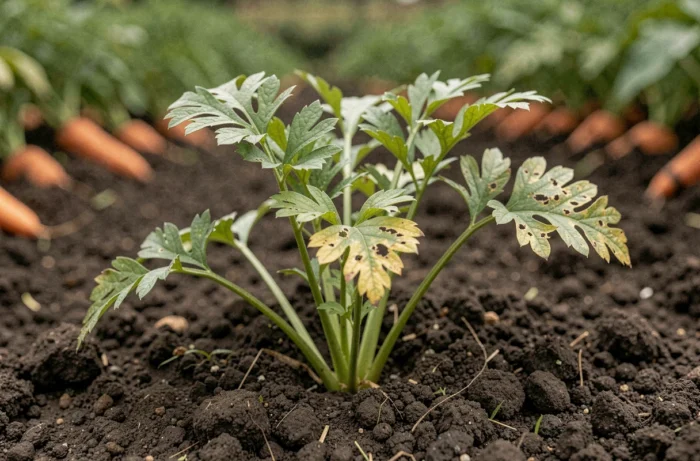
Monitoring flights in the vegetable garden: sticky traps versus calendar dates
There is no universal date for deciding when to remove the net. Psila rosae flight periods vary depending on the region, altitude and weather conditions each year. The first generation of adults is generally active in spring, and the second in late summer, but these are only rough guidelines.
The most reliable approach is to place yellow sticky traps right next to the carrot rows. As long as adults are being caught, the net should stay in place. Following a fixed calendar (“remove it in late June” or “remove it in mid-September”) leaves the crop exposed to an early or late generation that the calendar does not account for.
Interpreting the catches
No catches for two to three consecutive weeks, combined with the end of the usual flight period in your area, is the clearest signal that it may be time to remove the net. Basing your decision on local monitoring rather than a nationwide rule reduces the risk of leaving a window open for egg-laying.
Removing and handling insect netting: common mistakes
The net protects the crop as long as it remains sealed. Every time it is opened, even briefly, flying females get an opportunity to lay their eggs. Three points deserve particular attention.
- When weeding or thinning, uncover only one section of the row at a time and close it again as soon as you are finished. The edges of the net should remain firmly against the ground at all times over sections you are not working on.
- Check the mesh regularly for damage. A torn net, one lifted by the wind or one that is not properly weighted down at the ends will no longer be effective. Keeping the net sealed throughout the growing season matters just as much as putting it up properly in the first place.
- Do not remove the net “to let the plants breathe” during a flight period. Air circulates through the mesh; there is no need to remove the barrier.
Remove the net for good once flights have ended, as confirmed by the traps, or just before harvest if it has been left in place throughout the growing season.

Net mesh size and growing conditions under cover
Mesh size determines which insects are kept out. To protect against carrot fly, you need a mesh fine enough to prevent a 4 to 5 mm-long fly from getting through. Specifications vary from one manufacturer to another, so checking the product’s technical details is the only way to be sure.
Conditions change under the net. Temperatures may rise slightly, and moisture is retained for longer. These conditions encourage carrot growth but can also promote fungal diseases if the soil stays waterlogged. Well-drained soil and adequate spacing between plants help reduce this risk.
Sparse sowing and care under netting
Sowing too densely under the net makes thinning more difficult (each time you open it creates a risk) and concentrates moisture around the plant crowns. Sowing thinly from the outset reduces the number of times you need to work under the cover. The less often you open the net, the more reliable the protection.
Additional measures: companion plants and sowing time
Insect netting does not rule out other preventive measures. Two approaches work well alongside the physical barrier.
- Growing carrots alongside aromatic plants such as onions, leeks and coriander can make it harder for adult females to locate them. This method is only partially effective on its own, but it adds another layer of protection when the net is temporarily open.
- Adjusting sowing dates to avoid the peak of the first generation of flies reduces the initial pest pressure. Depending on the region, sowing in early summer can sometimes help you avoid the first wave without keeping the net in place all season.
- Avoid soils rich in fresh organic matter right next to carrot rows: pupae overwinter more easily in loose, humus-rich soil.
None of these measures can replace the net during periods of active flight. They reduce overall pest pressure and limit the impact of any gaps in the cover.
Managing carrot fly involves a series of interdependent decisions: crop rotation, a tightly sealed net, local flight monitoring and removing the net based on trap catches. Each step affects the next. Netting placed over an uninfested bed, kept sealed and removed only after flights have been confirmed to have ended offers the strongest protection a vegetable garden can provide without resorting to chemical treatments.