Fabric composition and finishes: the real selection filter
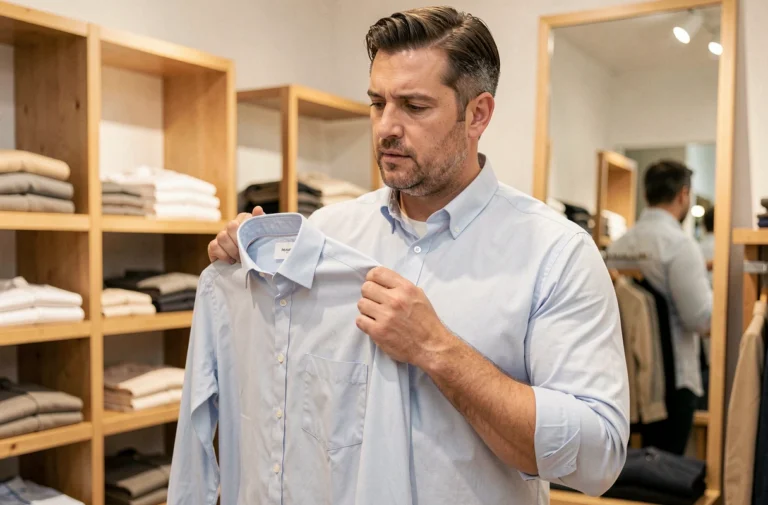
A brand’s price point says very little about how a garment will hold up after twenty washes. When comparing a retailer with Zara, the most reliable approach is to check the composition labels. A high proportion of blended synthetic fibers can weaken a garment and limit its breathability, whatever the price tag says.
Scandinavian retailers such as Samsøe Samsøe and NA-KD often feature pieces made from organic cotton or linen blends in their core collections. This does not automatically guarantee better quality, but it does provide a measurable starting point.
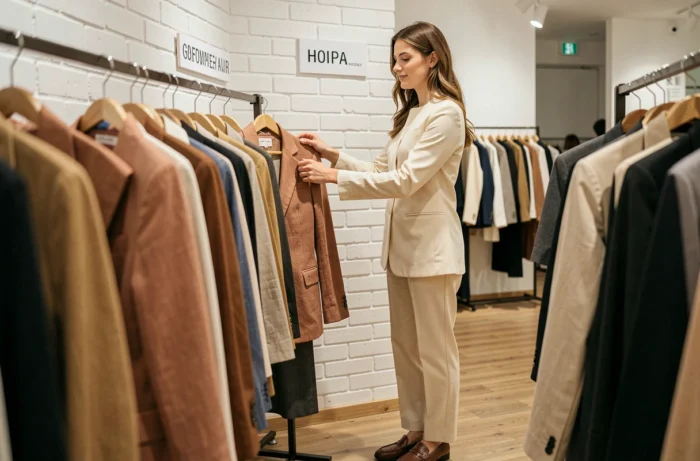
Finishes matter just as much as the raw material. Reinforced seams at stress points, linings in structured blazers, neat buttonholes: these details can be checked in store or through customer reviews. A brand that documents its dyeing and finishing processes stands out from those that rely solely on polished visuals.

Affordable brands with a fashion positioning comparable to Zara
Finding an alternative to Zara for fashion means looking for retailers with a similar pace of new arrivals and a comparable urban aesthetic, without resorting to the most aggressive forms of fast fashion.
NA-KD and the Scandinavian model
Founded in Sweden in 2015, NA-KD has built its wardrobe around collaborations with content creators. Its pieces echo Zara’s style codes (oversized blazers, midi dresses, ribbed knitwear) at similar prices, sometimes slightly lower during sales.
Its main advantage is its limited-edition capsules, which reduce the chances of seeing someone else in the same outfit. The downside: quality varies between collections, and the jersey basics remain fragile.
Only and the entry-level segment
Only offers functional everyday clothing. Jeans and denim pieces are the brand’s strong point. For dressier clothes and coats, the difference in finish compared with Zara is noticeable, especially in the linings and fastenings.
Free People for a more distinctive style
Free People focuses on a structured bohemian look, far removed from Zara’s urban minimalism. The brand suits people looking for stylistic alternatives rather than a like-for-like replacement. Prices are higher, but the durability of the fabrics (linen, heavyweight cotton, reinforced embroidery) often justifies the difference.
Regulatory criteria for comparing clothing brands
The European framework is pushing retailers to document the durability of their products. The Commission’s work plan, adopted in April 2025, makes textiles a priority group for future ecodesign requirements. These rules do not yet impose requirements on clothing design, but they signal upcoming transparency obligations covering composition, repairability and end of life.
Brands that are getting ahead of these requirements already provide detailed product information. Here are three practical criteria to check before buying:
- Unsold stock management policy: in the EU, large companies can no longer destroy certain unsold textile products. A retailer that communicates about reusing or donating its unsold stock demonstrates a verifiable commitment.
- Used clothing collection scheme: in France, extended producer responsibility (EPR) requires companies placing products on the market to fund the collection and treatment of textiles at the end of their life. Check whether the brand actively participates in this system, beyond the legal minimum.
- Raw material traceability: cotton origin, dye certification, country of manufacture. The more documented the supply chain, the lower the risk of greenwashing.
Secondhand and resale platforms: the overlooked option
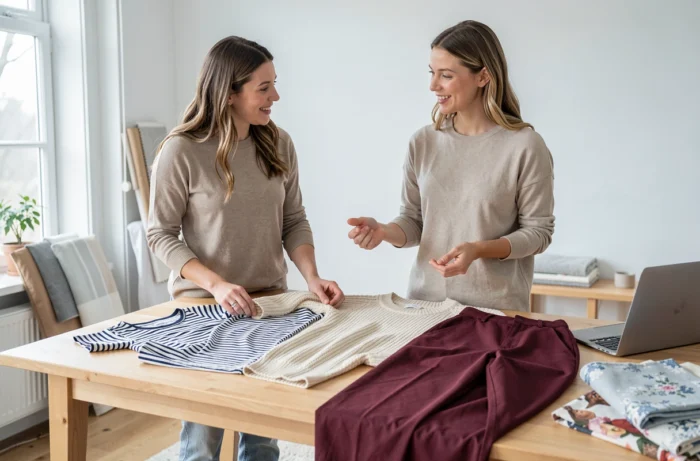
Buying pre-owned Zara pieces or items from comparable brands is an alternative that conventional comparisons overlook. Resale platforms offer access to past collections, often at a fraction of the original price, with a lower environmental impact.
The secondhand market for mid-range clothing has become more reliable. Seller ratings, detailed photos and refund guarantees make the experience comparable to buying new online.
This approach works particularly well for structured pieces (coats, blazers, leather shoes) that last much longer than jersey basics. A carefully inspected secondhand coat can protect you just as well as a new one.
Build a wardrobe without relying on a single retailer
The instinct to look for “the” brand that can replace Zara encourages the same pattern of consumption. We find that a more effective strategy is to mix and match sources: basics from a Scandinavian retailer, statement pieces secondhand, and accessories from independent designers.
A varied wardrobe reduces dependence on a single supplier and encourages you to choose each piece on its own merits rather than out of browsing habit. Independent boutiques, both online and in person, often offer competitive value for money on knitwear, shoes and leather accessories.
The best measure is cost per wear: a mid-priced item worn dozens of times costs less than a cheap garment thrown away after one season. This simple calculation is a better guide than a logo.