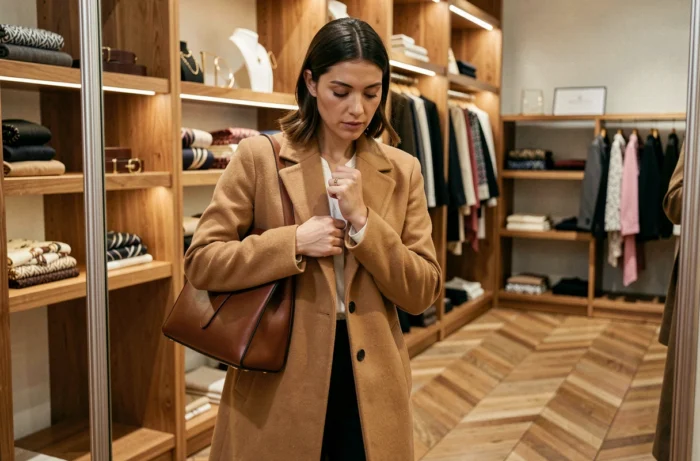
A fashion accessory serves two purposes at once: it draws the eye to a specific area of the silhouette and signals a particular aesthetic without requiring a complete wardrobe overhaul. Choosing a trendy accessory therefore means balancing the desired visual effect, how well it works with your existing outfits, and whether it can last beyond a single season.
Repairability and care: just as important as style
A trendy accessory loses its appeal if it breaks after three months. A leather belt with a buckle that can be replaced by a cobbler can last five or ten years. A piece of costume jewelry with a soldered rather than screw-fastened clasp will end up at the back of a drawer after the first snag.
In France, the repair bonus helps reduce the cost of certain repairs to shoes and clothing by approved repairers, depending on the item and type of repair. The scheme also covers some accessories, such as bags and belts, provided the repair is eligible.
Before buying, checking three things is enough to weed out disposable pieces: whether it has screws or removable fastenings, whether spare parts are available (rings, clasps, buckles), and what the main material is. A scarf made from natural fibers can be washed and mended. A heat-bonded synthetic model cannot be altered.
To explore pieces that combine distinctive style with quality craftsmanship, Fashion Boobies accessories offers a selection designed to last beyond the latest trend.

Statement or understated accessories: two different approaches to style
Today’s trend favors what fashion magazines call a “statement piece”: a single oversized accessory that reshapes the silhouette rather than a collection of small accents. This approach changes how you choose accessories.
Statement accessories: bags, belts, bold eyewear
A statement accessory changes the body’s lines. A wide belt worn high visually shortens the torso and lengthens the legs. A structured bag carried close to the body lifts the shoulder line. Thick-framed glasses broaden the upper part of the face.
This type of piece works best with a simple outfit because it commands all the attention. Pairing it with other eye-catching accessories creates a cluttered effect that diminishes the impact of each one.
Understated accessories: subtle finishing touches
A delicate bracelet, a simple ring or a scarf tied around the wrist plays a different role. These pieces add texture or color without reshaping the silhouette. Their appeal lies in how they work together: several understated pieces can be worn at once if they share a common thread (the same metal, color palette, or matte or glossy finish).
Mixing both styles in the same outfit dilutes the impact of each. Choosing one approach per outfit creates a more cohesive look.
Materials and labeling: what an accessory’s label may not tell you
A silk scarf, a brass earring and a leather belt are subject to different labeling requirements and care needs. Treating all accessories as one uniform category can lead to poor choices.
- Textile accessories (scarves, shawls, scrunchies) must list their fiber content. This information helps you anticipate how to wash and iron them, and how well they will hold up over time. A blend containing more than half synthetic fibers is more likely to pill.
- Leather accessories vary by tanning method and thickness. Full-grain leather develops a patina, while bonded leather cracks. The label rarely specifies the tanning method, but the price and feel of the leather can offer clues.
- Metal costume jewelry may contain nickel, lead or cadmium. European regulations restrict these substances, but checking for a “nickel-free” label is still a useful habit if you have sensitive skin.
The European Ecodesign for Sustainable Products Regulation provides a framework for digital product passports. The specific requirements for textiles have yet to be set out in a delegated act, which the European Commission aims to adopt in 2027. In time, this system will make it easier to trace the materials used in accessories.
Choosing a trendy accessory for your body shape without relying on clichés
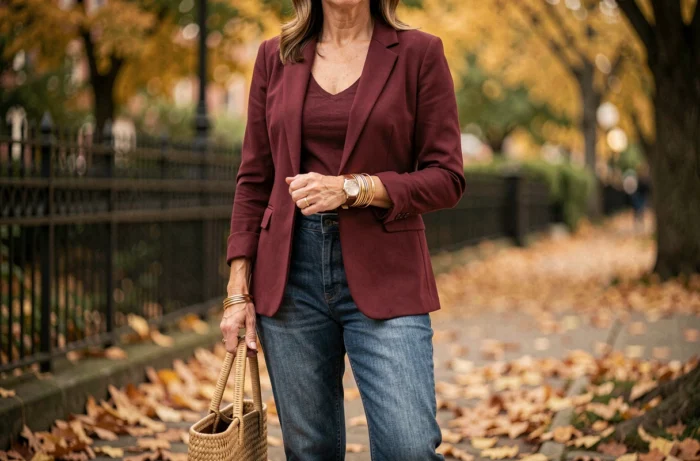
Guides that prescribe accessories for different body shapes (“if you’re curvy, avoid short necklaces”) oversimplify things. In reality, it’s more about visual mechanics: an accessory creates a focal point, drawing the eye to the area where it sits.
A few optical principles are all you need to make thoughtful choices:
- A choker makes the neck and shoulders look wider. It suits longer silhouettes but can make a short torso look more compact.
- Drop earrings elongate the face. They balance a broad jaw or round face, but can accentuate a face that is already very oval.
- A slim belt worn at the natural waist emphasizes the division between the torso and hips. A wide belt worn lower down flattens the abdominal area and obscures that distinction.
- A crossbody bag worn low draws the eye to the hips. A bag carried higher shifts attention to the torso.
An accessory doesn’t change your body shape; it shifts the focus. Choosing one based on the area you want to highlight works better than following rigid body-shape charts.
How long do accessory trends last? When to replace a piece and when to keep it
Accessory trends have shorter cycles than clothing trends. A bag with a distinctive shape (geometric, asymmetrical) can look dated after two seasons. A bag in a classic color and simple shape can last for years.
As of July 19, 2026, the ban on destroying certain unsold clothing, fashion accessories and footwear will apply to large companies in the European Union. This change encourages brands to better calibrate their production volumes. For consumers, it means that end-of-season collections could see more discounts instead of being quietly destroyed.
There’s no problem keeping an accessory that’s no longer on trend if it’s in good condition and its shape is still wearable. A printed scarf from a past season can still be tied around a bag or wrist. A wide belt with a statement buckle can wait for the trend to come back without losing quality, provided the leather is cared for.
A considered purchase starts with a straightforward question: would this piece still work with my outfits if the trend changed? If the answer is no, the accessory only has seasonal value, and its price should reflect that limited lifespan.