Choosing a hobby you enjoy starts with understanding what you really want from your free time. The same two-hour slot can leave one person feeling refreshed and another feeling drained, depending on the type of activity, the setting and their energy levels. Here’s how to find hobbies that suit you, try them without pressure and turn them into genuinely rewarding moments.
Real-life constraints to consider before choosing a hobby: time, location and energy
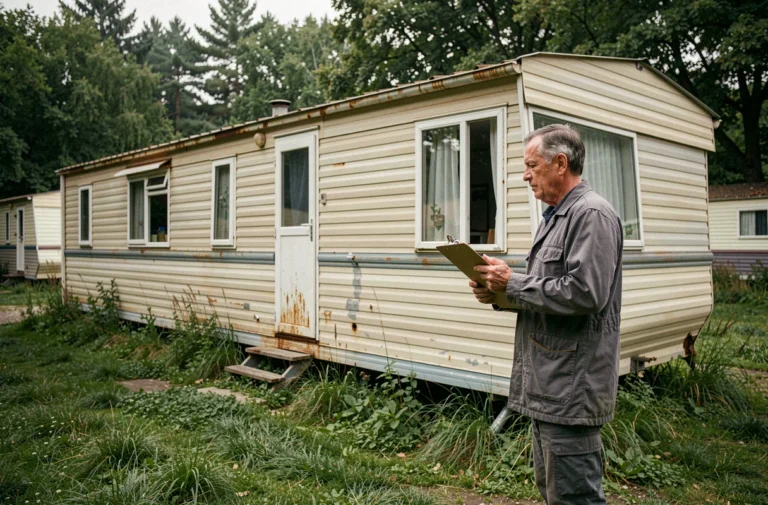
Have you ever found that an activity that sounded appealing in theory became a chore once you added it to your weekly schedule? The problem rarely lies with the hobby itself. It’s usually a mismatch between your actual constraints and what the activity requires.
Before browsing lists of ideas, take an honest look at three factors.
- The time you actually have available: a two-hour pottery class plus a 30-minute commute takes almost three hours. If you only have an hour free, a hobby you can enjoy at home or nearby is a better fit.
- Your energy levels at the end of the day: after a physically demanding day, a six-mile hike may not sound as appealing as it would after a day at a desk. Matching your hobby to your actual energy levels can help you avoid giving it up after three weeks.
- How easy it is to get there: the range of cultural activities (cinemas, concerts, workshops) varies considerably depending on where you live. In rural or suburban areas, activities at home or outdoors nearby are often more realistic than those that require a trip into the city centre.
These filters aren’t obstacles. They help you rule out options that are more likely to cause frustration than enjoyment.
To explore activities already sorted by theme and format, the leisure activities offered by Wype make it easy to compare what’s available near you.
Solo or group activities: how the social setting affects your enjoyment
The setting in which you enjoy a hobby matters just as much as the hobby itself. Reading a novel alone on a Sunday morning and joining a book club on Wednesday evening are two completely different experiences, even though the core activity is the same.
Regular group meet-ups offer a kind of enjoyment that goes beyond the activity itself. Seeing the same people every week creates a routine and shared habits, and sometimes leads to friendships. For some people, this social aspect is precisely what turns a pastime into something to look forward to.
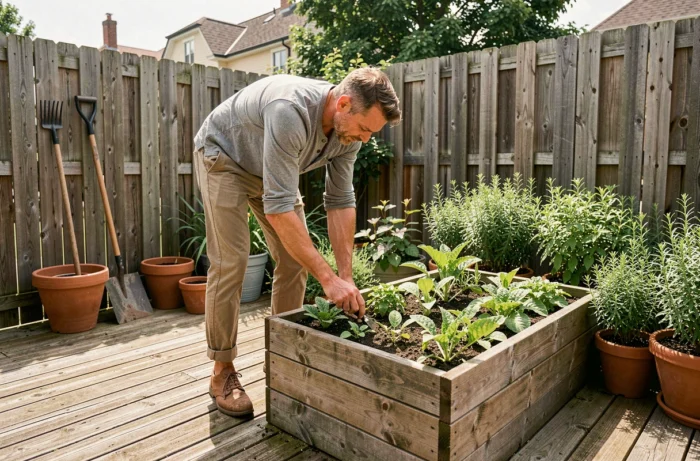
For others, solitude is essential to enjoyment. Drawing, gardening or cooking alone lets you slow down without having to match a group’s pace. Neither is better than the other. The question to ask yourself is simple: after a week full of social interactions, do I want to see people or spend time on my own?
A mix that works well
Alternating between a group activity (team sport, creative workshop, choir) and a solo activity (reading, music, video games) during the same week can meet both needs. Two short hobbies are often better than one long one, because they offer two different ways to recharge.
Trying a hobby without pressure: the three-session method
A common barrier stops many people from finding an activity they enjoy: the fear of committing. An annual membership, buying equipment, feeling like you’ve wasted money if you quit. This can lead you either to avoid trying anything or to stick with a hobby that isn’t right for you for too long.
Three sessions are enough to tell whether an activity is worth pursuing. The first session is always affected by the novelty. The second lets you focus on how it feels. The third gives you a reliable sense of how much you enjoy it.
Here’s how to structure your trial period:
- Choose two or three activities that interest you, without trying to find the perfect one. The goal is to explore, not to find “the one” on your first try.
- Look for trial options: taster sessions, pay-as-you-go classes and free introductory sessions offered by local associations at the start of the season.
- After three sessions, assess just one thing: did you feel like going back between sessions? If the answer is yes, the hobby is worth your time. If not, move on without feeling guilty.
This measure of spontaneous enthusiasm is more reliable than any list of pros and cons. If you find yourself looking forward to a hobby between sessions, it’s probably right for you.
Creative hobbies, sport, games: which type of activity suits which need?
Not all hobbies meet the same needs. Being clear about what you’re looking for can help you narrow down your options faster.
Need to release physical tension
Sport and outdoor activities (walking, cycling, swimming) help release tension built up in the body. There’s no need to aim for peak performance. Regular, moderate physical activity is enough to make your free time more enjoyable.
Need to stimulate your creativity
Painting, writing, music, sewing, cooking: creative hobbies are rewarding because they involve making something. Seeing a tangible result, however modest, brings a sense of satisfaction that passive activities such as watching a screen don’t provide in the same way.
One thing to keep in mind: creative hobbies can genuinely support well-being, but they are not a substitute for professional support if you’re experiencing psychological difficulties. They can complement therapy, but they are not the same as therapy.
Need for social connection or an intellectual challenge
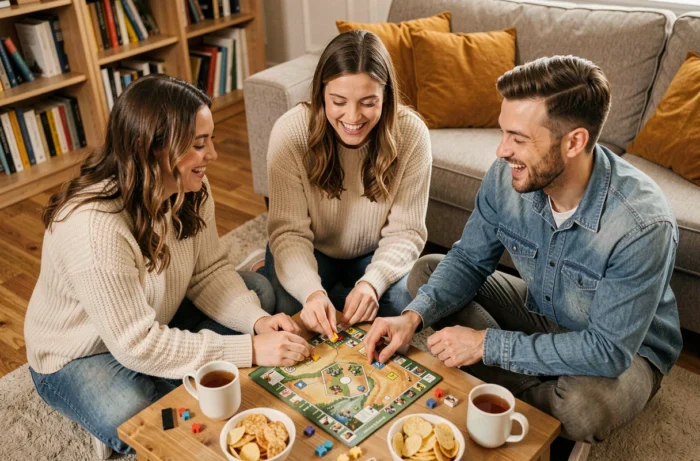
Board games, quizzes, book clubs and collaborative workshops combine intellectual stimulation with social interaction. If your daily life lacks opportunities to connect with others, this type of hobby can fill a gap that sport or creative activities may not address.
The best hobby isn’t the one that impresses the people around you. It’s the one you naturally come back to, week after week, because it meets a need that your everyday life doesn’t fulfil on its own.