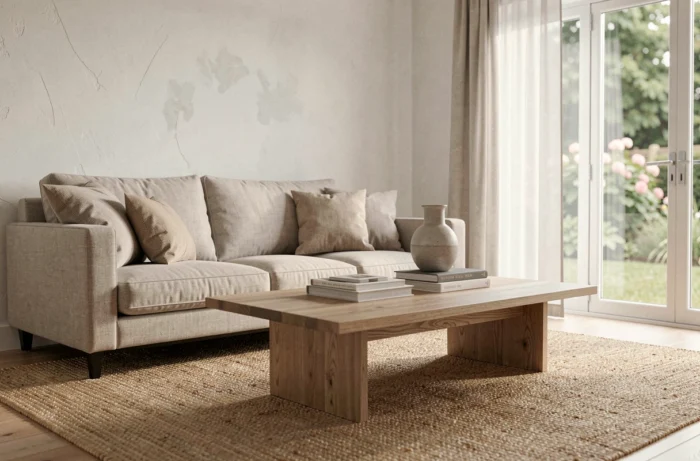
Making your home comfortable, functional and stylish comes down to making the right technical choices. Comfort is about more than room temperature or choosing a plush sofa: it also encompasses indoor air quality, how easily you can move between rooms, lighting and even acoustics.
Air quality and materials: what new furniture releases into your home
Before choosing furniture or flooring for its appearance, consider what it releases into the air. Paints, adhesives, engineered wood panels and some resilient flooring emit volatile organic compounds (VOCs), which can reduce indoor air quality.
Choosing products with an A+ emissions rating helps reduce exposure. After installing new furniture or completing finishing work, ventilate the room at least twice a day for several weeks to clear out much of the substances released.
Maintaining your mechanical ventilation system (MVHR) is also part of any home improvement project. A clogged filter or blocked vents can undo the benefits of low-emission furniture. At La Maison De Daniel’s home, design choices follow this same principle: pairing healthy materials with effective ventilation.
Movement and room layout: organizing your space for everyday life
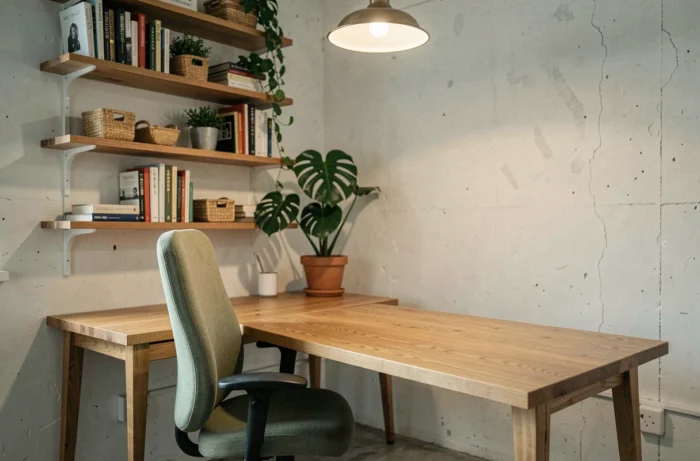
A successful layout starts with looking at how you move between rooms each day. The kitchen, living room and dining room account for most of the daily foot traffic. Removing obstacles between these three areas makes everyday life flow far better than a change of decor.
In practice, this could mean placing the dining table halfway between the kitchen and living room, or choosing low furniture that doesn’t block sightlines. In an open-plan space, a kitchen island can serve as a work surface, storage and a visual divider without closing off the room.
Adapting your layout as your needs change
A layout designed only for your current needs can quickly become restrictive. Adapting a home for someone with reduced mobility, for example, calls for a comprehensive approach. Passageway widths, step-free transitions between rooms, and the height of outlets and switches are all factors that, when considered from the outset, can help avoid costly renovations later.
Keeping at least 90 cm of clearance between furniture makes it easier for everyone to move around, whatever their age. This minimum clearance naturally guides your choice and placement of furniture.
Indoor lighting: layer your light sources instead of relying on just one
Lighting is the most overlooked way to change the atmosphere of a room without touching the walls or furniture. The basic rule is to layer three types of light in every room:
- General lighting (ceiling lights, pendants) to provide overall visibility without glare, with a color temperature of around 3,000 kelvins for living spaces
- Task lighting (a desk lamp, under-cabinet kitchen lights, a reading lamp) positioned exactly where a specific activity takes place
- Ambient lighting (string lights, table lamps, indirect LED strips) to add depth and define relaxation areas in the evening
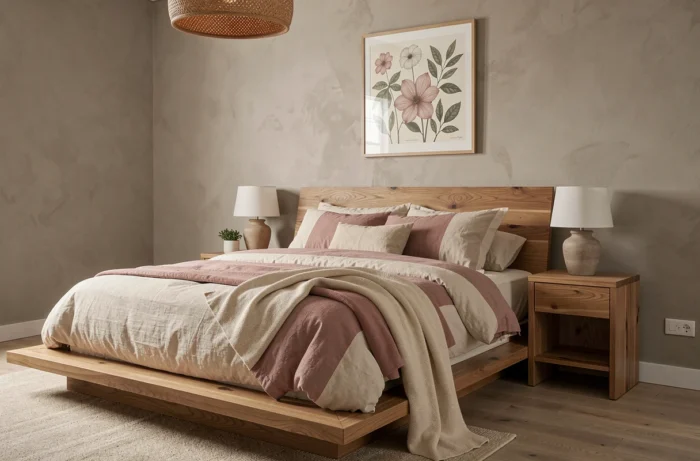
Layering lets you switch from “activity” mode to “relaxation” mode without changing rooms. Bedrooms in particular benefit from not relying on a central ceiling light. Two dimmable bedside lamps and indirect lighting behind the headboard are enough to create a truly restful space.
Natural light and summer comfort
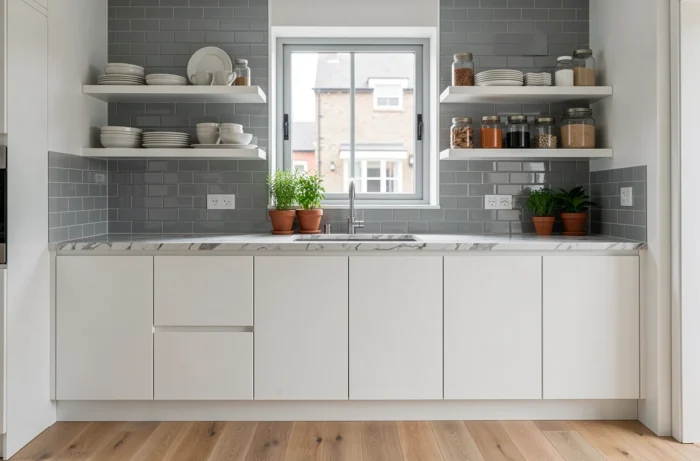
Maximizing natural light is often presented as an absolute goal. That’s true in winter, but in summer, large windows without solar shading can turn a living room into a greenhouse. Summer comfort needs to be considered separately from winter comfort: exterior blinds, adjustable-louver shutters or brise-soleil can prevent overheating without sacrificing daylight for the rest of the year.
The DPE’s summer comfort indicator assesses a home’s features (solar shading, thermal mass and cross-ventilation) but doesn’t take the local climate into account. A good rating doesn’t guarantee a cool interior during a heatwave if the house faces due south and has no solar shading.
Textiles and acoustics: finishing touches that change how a space feels
Hard flooring (tile, polished concrete or hardwood) reflects sound and can make a room feel cold, even when it’s well heated. Adding textiles—thick rugs, heavy curtains and cushions—improves both perceived thermal comfort and room acoustics.
Textiles can also add elegance. Thick linen curtains that reach the floor make the ceiling appear higher. A generously sized rug beneath the living room coffee table brings the seating area together and sets it apart from the rest of the space.
- In the living room, a rug that extends at least 30 cm beyond each side of the sofa visually anchors the furniture
- In the bedroom, a bedspread in a natural fabric (linen or crinkled cotton) adds texture without making the space feel cluttered
- In the dining room, blackout or semi-opaque curtains regulate light while absorbing sound reverberation during meals
Acoustics contribute to a sense of calm just as much as thermal insulation affects temperature. In open-plan living spaces, an untreated ceiling amplifies every clink of tableware and every conversation. Discreet, decorative wall panels made of felt or stretched fabric can reduce this echo.
A cohesive approach to home design means treating these four elements (air, movement, light and acoustics) as a whole. An elegant interior where the air feels stuffy or every sound echoes is still uncomfortable. Low-emission materials, a layout that anticipates future needs and well-layered lighting form the foundation of a space that truly works for everyday life.