Fashion show calendars set the pace, but recent European regulations are reshaping the real boundaries of fashion and beauty trends. Cosmetic ingredients, textile durability, label transparency: the rules are changing, affecting both collections and beauty routines.
Microplastics in cosmetics: deadlines reshaping beauty formulations
Exfoliating microbeads made from synthetic polymers are already banned in the European Union. The next step concerns rinse-off cosmetic products, which will be affected from October 17, 2027. Leave-on products and fragrances containing encapsulated polymers will follow on October 17, 2029.
This distinction between product categories changes how we read labels. An exfoliating shower gel and a day cream are not subject to the same timeline, which means a product still on shelves today could become non-compliant in a few months.
To keep up with these regulatory changes alongside seasonal trends, Olivia Style news offers regular updates combining beauty advice with practical information on the latest developments in the industry.
We’re seeing brands reformulate in anticipation of these deadlines rather than waiting to be forced into it. Gel-to-milk textures and enzyme exfoliants are gaining ground in autumn-winter ranges, not as a creative whim, but because alternatives to plastic microparticles need to be ready before the deadline.
Ultra-fast fashion and penalties in France: what’s changing for everyday style
France has tightened its rules targeting ultra-fast fashion. The mechanism relies on increased penalties under extended producer responsibility (EPR). Some details of how the rules will apply still need to be finalized, but the direction is clear: mass-producing goods at very low cost is becoming financially punitive.
The European Union is moving forward in parallel. The ban on destroying unsold textiles is beginning to apply to large companies. This is no longer a draft directive; it’s an operational requirement affecting dormant stock.
Practical effects on fashion trends
When destroying unsold goods is prohibited, brands adjust their production volumes. Fewer styles per season, more targeted restocking, and limited-edition collections. Consumers looking to express their everyday style benefit from the relative rarity of items, but lose out on immediate availability.
For mid-sized retailers, the strategy is to focus on durable basics rather than disposable micro-trends. Everyday wardrobes are becoming more streamlined: fewer pieces, chosen more carefully and worn for longer.
Textile warranties and durability: a style consideration becomes a purchasing criterion
Information about textile product warranties is becoming a selling point in its own right. Retailers are starting to display expected product lifespans and warranty terms more prominently, sometimes directly on the label or online product page.
This change affects how we compare two similar items. Two trench coats that look alike are no longer equivalent if one comes with a two-year warranty and the other says nothing about it. Transparency about lifespan is becoming a mark of quality, just like the cut or fabric.
- Check whether the brand states an expected lifespan, not just the minimum statutory warranty
- Compare the return and repair options offered, which can vary considerably from one retailer to another
- Choose pieces with detailed information about their composition and care, a sign of a commitment to garment longevity
Autumn-winter trends: build a cohesive wardrobe instead of chasing every micro-trend
Each season, autumn-winter fashion shows offer dozens of style directions. The trap is trying to adopt them all. A wardrobe that expresses personal style is built around three or four choices that stand the test of time, not a pile of trendy pieces worn once.
Three key directions this season
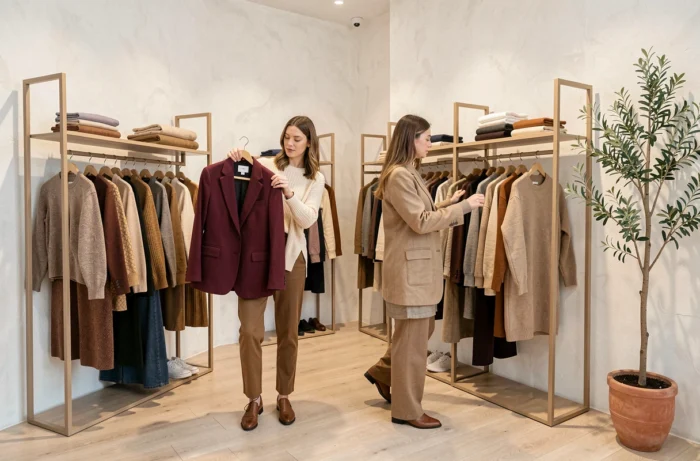
- Textured fabrics (corduroy, boiled wool, cable knit) are taking precedence over smooth surfaces. They add depth without the need for extra accessories
- The autumn palette is narrowing around earthy tones and deep burgundy, making everyday outfit combinations easier
- Structured, broad-shouldered silhouettes are back, paired with more fluid bottoms to avoid a head-to-toe suit effect
The goal isn’t to recreate a runway look. It’s to identify pieces that work with what you already wear. A boiled-wool jacket works just as well with raw denim as with dress trousers. A good seasonal purchase fits into your existing wardrobe without requiring you to replace everything.
Beauty: textures change, routines stay the same
In makeup, this season favors satin finishes and creamy textures over matte powders. Cushion foundations and stick blushes are gaining market share because they meet the demand for quick application.
When it comes to hair, easy-to-style mid-length cuts remain a safe bet. Voluminous blowouts inspired by the 90s are still circulating on social media, but the daily upkeep makes them better suited to special occasions than everyday style.
Regulations on product ingredients, the planned phaseout of ultra-fast fashion, and the growing importance of textile warranties are shaping a landscape where everyday style is built on informed choices. Keeping up with fashion and beauty trends while taking these changes into account is the best way to express a lasting personal style without giving up the pleasure of something new.